


Have you ever received a delayed clothing order and immediately questioned the brand’s reliability? In today’s fast-paced ecommerce world, clothing order fulfillment is not just a backend process — it’s a crucial factor in customer satisfaction and brand loyalty. Efficient order fulfillment can reduce costs, increase repeat purchases, and elevate your brand’s reputation. In this guide, we will explore top strategies, insights, and examples that help clothing brands scale effectively, including the best practices, technology adoption, and why choosing the right fulfillment partner, like DelGate, matters.
Table of Contents
Understanding Clothing Order Fulfillment
Clothing order fulfillment refers to the complete process of receiving, processing, packing, and shipping clothing orders to customers. For brands, it’s a combination of logistics, inventory management, and customer service.
Why It Matters for Brands
- Customer satisfaction: Fast, accurate deliveries encourage repeat purchases.
- Cost efficiency: Streamlined fulfillment reduces shipping and storage costs.
- Scalability: A strong fulfillment system supports growth during peak seasons.
Moreover, integrating a Canadian fulfillment center like DelGate allows domestic brands to improve delivery speed and reliability.
1. Partner With a Reliable Fulfillment Center
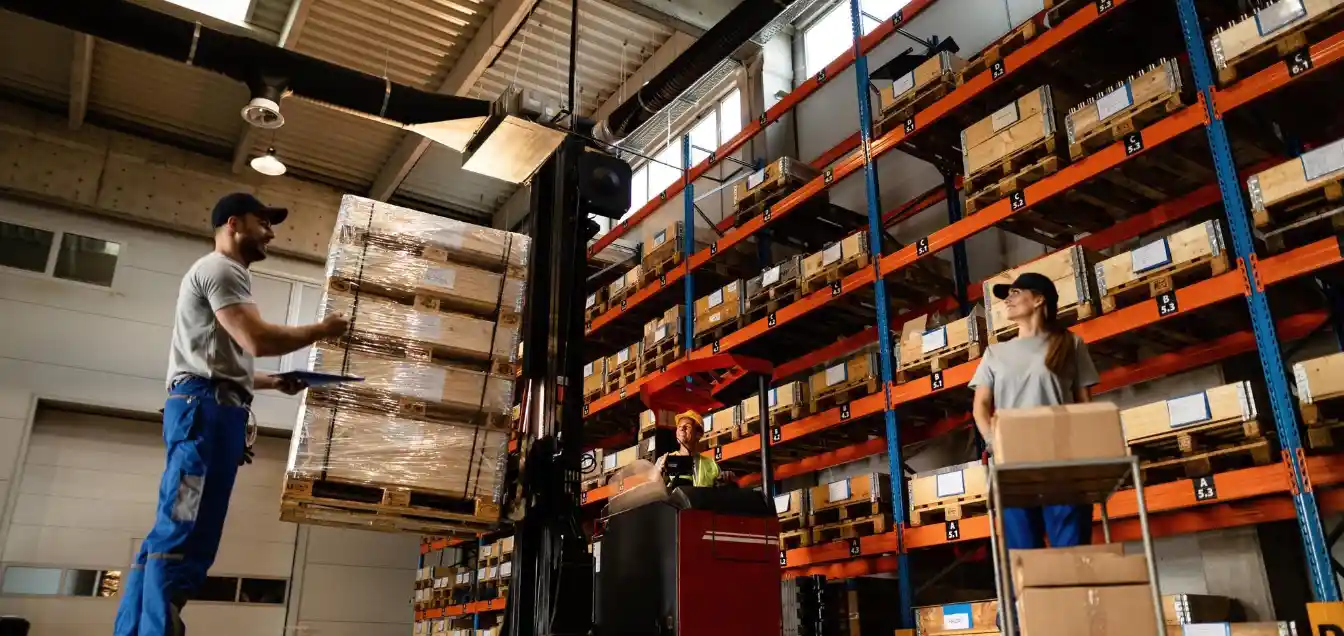
Choosing the right clothing fulfillment centers can determine your operational success.
- Expertise in apparel: Handling various sizes, fabrics, and packaging.
- Advanced technology: Ensures real-time inventory tracking.
- Flexibility: Ability to scale during high-demand periods.
DelGate, for instance, provides pick and pack services, ensuring accurate and timely deliveries, making it the go-to 3pl warehouse Canada solution.
2. Leverage Technology Fulfillment Solutions
Automation and software integration are game changers.
- Warehouse Management Systems (WMS): Track inventory in real-time.
- Order management platforms: Sync online stores with warehouses.
- Data analytics: Forecast demand accurately to enhance stock management and ensure optimal inventory levels.
Technology fulfillment enables faster processing and fewer errors, which is essential for clothing brands with high SKU variety.
3. Optimize Inventory Management
Proper inventory control prevents stockouts and overstock situations.
- Use demand forecasting tools to anticipate trends.
- Implement drop shipping when stock is limited.
- Regular audits ensure accuracy.
For example, Zara uses real-time inventory management to replenish popular items quickly, reducing lost sales.
4. Adopt Omnichannel Fulfillment Strategies
Customers expect seamless shopping experiences across channels.
- Omnichannel fulfillment company models integrate online, in-store, and mobile orders.
- BOPIS (Buy Online, Pick Up In-Store): Reduces shipping costs and delivery times.
- Consistent inventory updates across channels improve trust.
This approach is essential for retailers aiming to combine retail fulfillment with ecommerce capabilities.
5. Focus on Packaging and Presentation
A branded and protective package enhances customer experience.
- Eco-friendly packaging attracts environmentally conscious shoppers.
- Custom branding: Stickers, bags, or personalized notes increase loyalty.
- Efficient packing: Reduces damage and shipping costs.
Even small details, like tissue wrapping or sturdy boxes, can increase repeat purchase likelihood by 20%.
6. Implement Efficient Shipping Methods
Shipping speed is crucial for customer satisfaction.
- Parcel order fulfillment services can help deliver packages within 1–3 days.
- Regional carriers: Offer faster shipping for specific areas.
- Tracking and notifications: Keep customers informed.
Combining fast shipping with accurate delivery ensures a competitive edge in order fulfillment for clothing brands.
7. Offer Flexible Returns Management
A hassle-free returns process increases trust and conversions.
- Easy return labels: Encourage customers to shop confidently.
- Automated processing: Refunds or exchanges are processed quickly.
- Clear policies: Reduce confusion and complaints.
Brands that simplify returns see a 30% higher repeat purchase rate compared to those with complicated processes.
8. Utilize Kitting and Bundling Services
Bundling related products adds value and boosts sales.
- Kitting fulfillment solutions allow pre-packaged outfits or seasonal bundles.
- Custom packages enhance gifting and promotions.
- Reduces handling time: Combined shipping reduces costs.
For example, offering a shirt and matching accessories in one package increases average order value.
9. Track KPIs and Analyze Performance
Measuring performance ensures continuous improvement.
- Key metrics: Order accuracy, shipping speed, and return rates.
- Use dashboards: Visualize trends and spot bottlenecks.
- Case study: Brands using advanced tracking systems reduced fulfillment errors by 25% in six months.
Continuous monitoring helps optimize product fulfillment solutions across multiple channels.
10. Expand Fulfillment Services Beyond Clothing

Diversification can strengthen operations and revenue.
- Auto parts order fulfillment or heavy machinery parts order fulfillment may use the same logistics expertise.
- Website order fulfillment services can be extended to electronics, beauty, or lifestyle products.
- Third-party logistics (3PL) providers offer flexibility without massive investment.
This strategy ensures that fulfillment capabilities are scalable and adaptable to market changes.
Recent Trends and Case Studies
Statista reports that ecommerce apparel sales reached $444 billion in 2023 globally, showing a 6.5% YoY growth. Brands using advanced Canadian ecommerce fulfillment solutions saw delivery times cut by 30%, boosting repeat customers.
A case study of DelGate shows that using their pick and pack fulfillment center reduced shipping errors by 40%, while automating inventory updates improved sales forecasting accuracy.
Conclusion
Efficient clothing order fulfillment is no longer optional — it’s a growth driver. By partnering with expert centers, leveraging technology, optimizing inventory, and prioritizing customer experience, clothing brands can scale rapidly. Remember, success lies in continuous improvement and adopting innovative strategies. DelGate exemplifies excellence in Canada, providing reliable and scalable solutions that ensure your brand grows confidently.
Key Takeaways
- Partner with reputable clothing fulfillment centers.
- Integrate technology and automate processes.
- Focus on customer experience through packaging, shipping, and returns.
- Track performance and adopt omnichannel approaches.
- Expand fulfillment services to diversify revenue streams.