

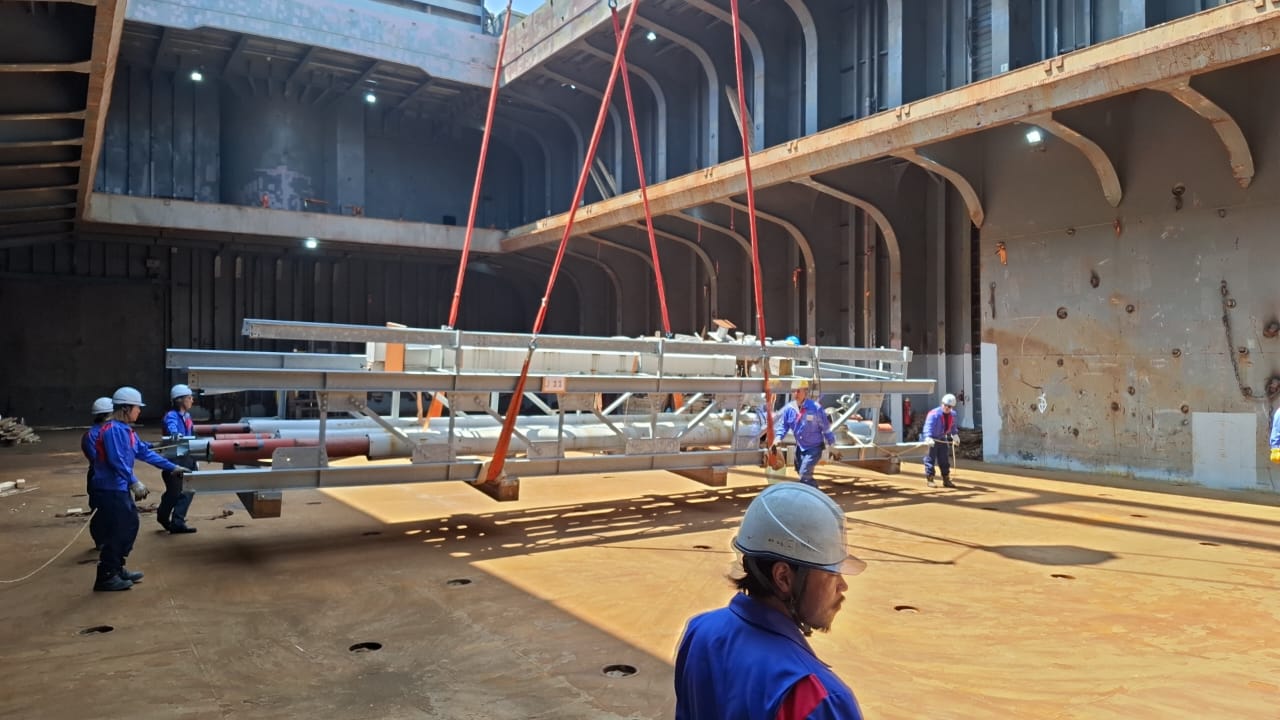
Container shipping is the standard solution for a large share of international cargo movements. It offers predictable handling, established schedules and broad global coverage.
However, not every shipment can be efficiently containerized.
Heavy machinery, steel structures, transformers, oversized industrial equipment and other non-standard cargoes often require a different approach. In such cases, breakbulk or project cargo shipping combined with direct vessel chartering may provide a more practical and commercially efficient solution.
Table of Contents
When container shipping stops being practical
The limitations of container transport usually become clear when cargo exceeds standard dimensions or weight restrictions.
Typical examples include:
- industrial machinery;
- construction equipment;
- transformers and generators;
- steel structures;
- oversized vehicles;
- heavy individual cargo units;
- equipment that cannot be safely dismantled.
For such shipments, the question is no longer simply which container type to use. The logistics plan must consider vessel type, lifting capacity, port infrastructure, cargo securing and the sequence of loading and discharge operations.
Cargo dimensions determine the transport solution
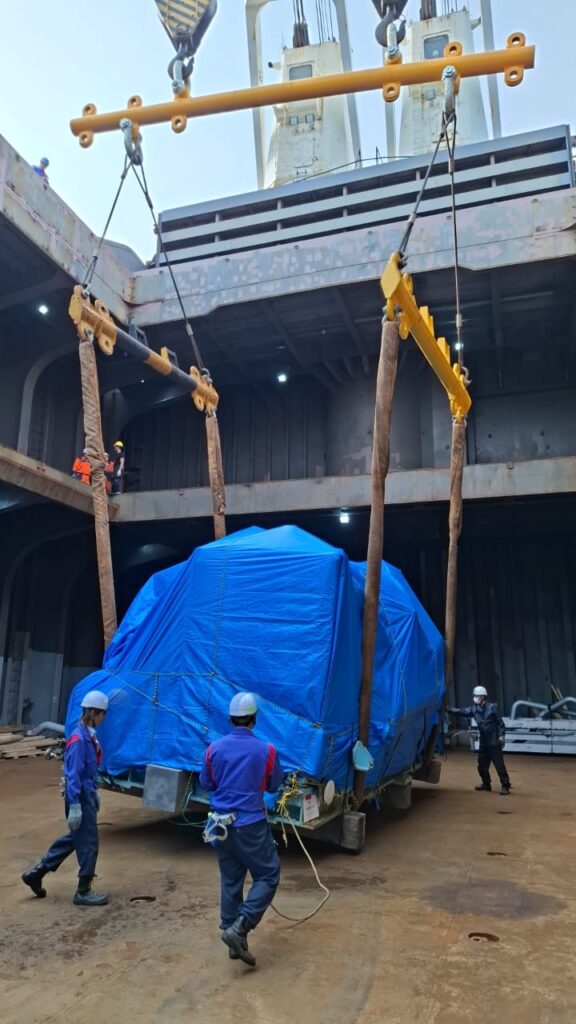
For breakbulk and project cargo, accurate cargo information is essential before approaching the freight market.
The basic data should include:
- dimensions of each cargo unit;
- individual and total weight;
- centre of gravity where relevant;
- lifting points;
- packing method;
- cargo readiness date;
- loading and discharge ports;
- availability of shore cranes.
Even relatively small differences in dimensions or weight can affect the type of vessel required.
A cargo unit that appears manageable on paper may require a vessel with larger hatch openings, stronger deck capacity or higher crane lifting capability.
Choosing the right vessel
Unlike standard liner shipping, vessel chartering allows the transport solution to be matched more closely to the specific cargo.
Depending on the shipment, suitable tonnage may include multipurpose vessels, general cargo ships, heavy-lift vessels or other specialized ships.
The most important factors normally include:
- crane capacity;
- deck and tank-top strength;
- hatch dimensions;
- hold configuration;
- vessel draft;
- cargo intake;
- geographical position of the vessel;
- compatibility with loading and discharge ports.
Selecting a vessel solely because it offers the lowest freight rate can create substantial additional costs later.
Port restrictions matter as much as vessel specifications
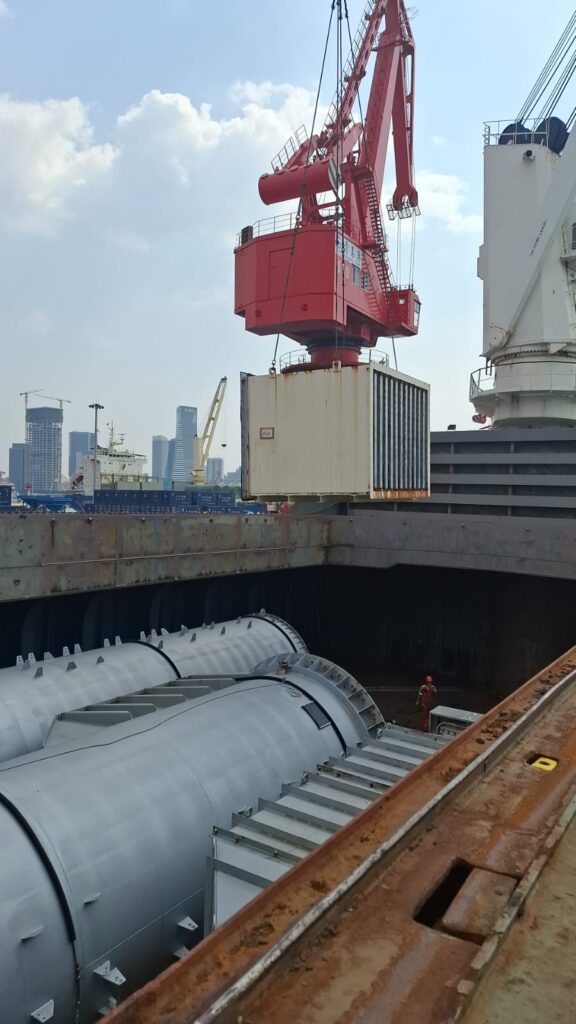
A technically suitable vessel may still be unsuitable for the intended route.
Before fixing, it is important to check port restrictions such as:
- maximum draft;
- berth length;
- crane availability;
- terminal working conditions;
- permissible dimensions;
- loading and discharge rates.
For heavy or oversized cargo, local lifting arrangements can be decisive.
If adequate shore cranes are not available, a geared vessel may be required. This can significantly change both vessel availability and freight cost.
Lifting and securing are part of the transport plan
Project cargo logistics involves more than moving cargo from one port to another.
Safe transportation may require engineered lifting procedures, appropriate slings and spreader beams, detailed stowage planning and professional lashing and securing.
These requirements should be considered before the vessel is fixed.
Late discovery of lifting or securing limitations can result in additional costs, operational delays or even the need to replace the originally selected vessel.
Freight rate is only one part of the cost
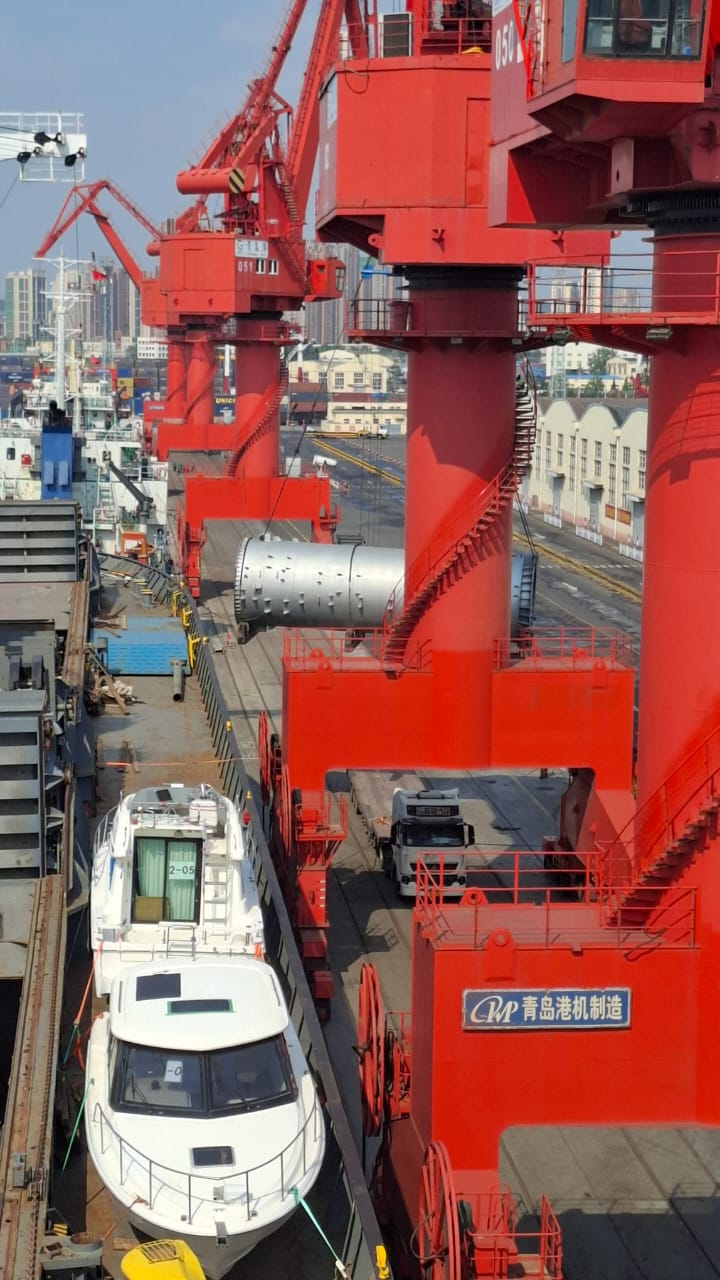
The lowest quoted freight rate is not always the cheapest transport solution.
The final cost can also be affected by:
- vessel waiting time;
- port charges;
- crane expenses;
- shifting costs;
- additional securing work;
- delays caused by unsuitable vessel configuration;
- demurrage.
A slightly higher freight rate on a better-suited vessel may therefore reduce the overall transportation cost.
This is why cargo owners should compare not only freight offers but the complete operational profile of each proposed vessel.
The role of a shipbroker
For non-standard cargoes, professional shipbroking starts before freight negotiations.
The broker must understand the cargo, identify suitable vessel types, analyze market availability, compare competing offers and negotiate both the freight rate and charter-party terms.
Kiev Shipping Ltd has been active in ship chartering and maritime brokerage since 2000 and provides breakbulk cargo chartering services for general, heavy and project cargo shipments.
The company works with cargo owners and shipowners across the Black Sea, Mediterranean, Baltic, Red Sea and Persian Gulf markets.
From logistics requirement to vessel solution
Container shipping remains the most efficient option for standardized cargo.
But when a shipment becomes too large, too heavy or operationally complex for standard containers, the transport strategy has to change.
For breakbulk and project cargo, successful shipment planning depends on matching three elements from the beginning:
the cargo, the vessel and the ports.
When these factors are evaluated together before fixing, cargo owners can reduce operational risks, avoid unexpected costs and select a transport solution that works in practice rather than only on paper.