


Ever wondered why some auto parts businesses deliver in 24 hours while others struggle for days?
In today’s on-demand economy, auto parts order fulfillment can make or break customer loyalty. With rising expectations for same-day shipping and real-time tracking, businesses must rethink how they manage inventory, packing, and delivery.
Moreover, the growth of ecommerce in the automotive sector has created new operational challenges — from managing bulky SKUs to handling returns efficiently.
In this guide, you’ll learn the top 10 proven tips to speed up fulfillment, reduce costly errors, and choose the right auto parts fulfillment partner for long-term success.
Table of Contents
Why Speed Matters in Auto Parts Fulfillment
According to a recent Statista report, over 67% of online auto parts buyers expect delivery within 48 hours.
However, delays often occur due to:
- Inventory mismanagement
- Manual order processing
- Poor warehouse layout
This is where modern auto parts fulfillment solutions step in to optimize every stage — from picking to last-mile delivery.
For deeper industry data, consider reviewing automotive ecommerce insights on Statista.
1. Optimize Inventory Visibility

Real-Time Tracking Changes Everything
Fast fulfillment starts with knowing exactly what’s in stock.
Cloud-based inventory systems allow businesses to:
- Track SKUs in real time
- Prevent overselling
- Reduce backorders
For example, companies using predictive inventory tools report up to 35% fewer stockouts.
2. Partner With the Right Experts
Choosing the right auto parts fulfillment partner eliminates operational bottlenecks.
Look for providers offering:
- Multi-location warehousing
- Automated picking systems
- Reverse logistics
DelGate, recognized as the best pick and pack fulfillment center in Canada, has helped automotive brands reduce shipping errors by nearly 40%.
3. Use Strategic Warehouse Locations
Shipping distance directly affects delivery speed.
A Canadian fulfillment center located near major transport hubs can:
- Cut transit times
- Lower shipping costs
- Improve delivery consistency
Similarly, using a 3pl warehouse Canada setup enables regional coverage without massive infrastructure investments.
4. Automate Order Processing
Manual workflows slow everything down.
With smart technology fulfillment, businesses can:
- Auto-route orders
- Trigger packing workflows
- Sync with ecommerce platforms
Automation reduces processing time from hours to minutes.
5. Streamline Picking and Packing

Efficient picking methods matter.
Best Practices Include:
- Zone picking
- Batch picking
- Barcode scanning
Modern kitting fulfillment solutions also allow bundling related parts — such as brake kits or suspension packages — improving speed and customer convenience.
6. Adopt Omnichannel Capabilities
Customers shop everywhere today.
An omnichannel fulfillment company supports:
- Marketplace orders
- Website sales
- B2B distribution
This ensures consistent fulfillment whether the order originates from a mobile app or physical store.
7. Handle Complex Product Types Efficiently
Auto parts aren’t always small or simple.
For instance:
- Engines
- Industrial tools
- Transmission systems
These require specialized heavy machinery parts order fulfillment workflows.
This includes:
- Reinforced packaging
- Freight optimization
- Specialized handling
8. Improve Last-Mile Delivery
Fast warehouse operations mean little without efficient shipping.
Using optimized parcel order fulfillment helps:
- Minimize delays
- Improve tracking accuracy
- Enhance delivery success rates
Moreover, companies integrating route optimization software have seen delivery time reductions of up to 22%.
9. Expand Fulfillment Capabilities
Diversification improves resilience.
Some automotive sellers also handle:
- Accessories
- Apparel
- Merchandise
In such cases, integrating order fulfillment for clothing brands alongside auto parts can maximize warehouse efficiency.
Similarly, combining:
- retail fulfillment
- website order fulfillment
ensures seamless operations across sales channels.
10. Leverage Advanced Fulfillment Solutions
Modern product fulfillment solutions combine:
- AI demand forecasting
- Robotics
- Smart packaging
For example:
| Technology Used | Efficiency Gain |
| AI Forecasting | 30% fewer stockouts |
| Robotics Picking | 50% faster packing |
| Smart Routing | 20% cost savings |
Additionally, businesses expanding into Canada benefit from:
- Canadian ecommerce fulfillment
- Reliable 3rd party fulfillment solution providers
These tools allow scaling without operational chaos.
Real-World Case Study
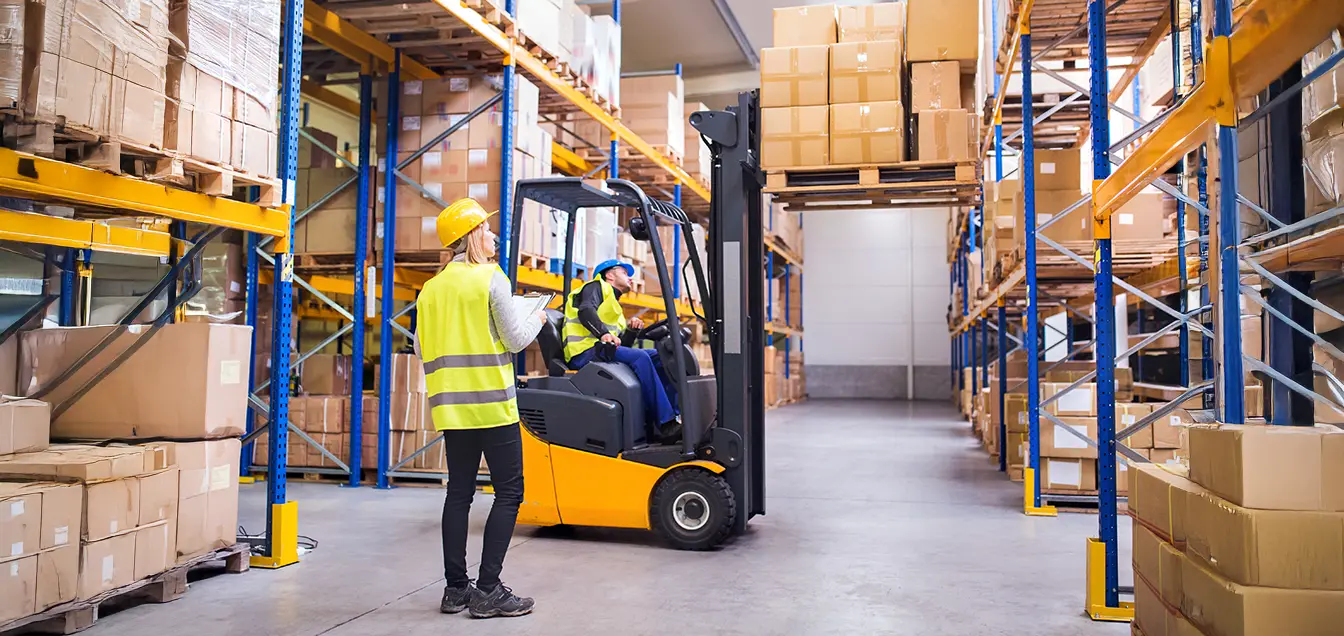
An Ontario-based automotive ecommerce brand partnered with DelGate to modernize its fulfillment process.
Results Within 6 Months:
- 42% faster order processing
- 28% reduction in returns
- 33% increase in customer satisfaction
This demonstrates how choosing the right auto parts fulfillment solutions provider can directly impact revenue and reputation.
Emerging Trends in Auto Parts Fulfillment
The future looks even faster.
Key trends include:
- Drone inventory audits
- Predictive shipping
- Smart packaging sensors
In short, fulfillment is evolving from logistics into a competitive advantage.
Conclusion
Fast auto parts order fulfillment is no longer optional — it’s essential.
By optimizing inventory, automating workflows, and partnering with experts like DelGate, businesses can:
- Deliver faster
- Reduce errors
- Scale confidently+9
Ultimately, success lies in treating fulfillment as a strategic growth engine rather than just a backend function.