

Ever wondered how Amazon delivers millions of packages every day with lightning speed? Behind the scenes, an Amazon order fulfillment center operates like a well-oiled machine, ensuring orders reach customers accurately and on time. Understanding this system is crucial for eCommerce sellers, businesses considering 3PL services, or anyone curious about retail logistics. In this article, we explore how Amazon’s fulfillment process works, key technologies involved, and insights into Canadian eCommerce fulfillment, including why DelGate is considered one of the best fulfillment centers in Canada.
Table of Contents
How Amazon Order Fulfillment Centers Operate
The Structure of an Amazon Order Fulfillment Center
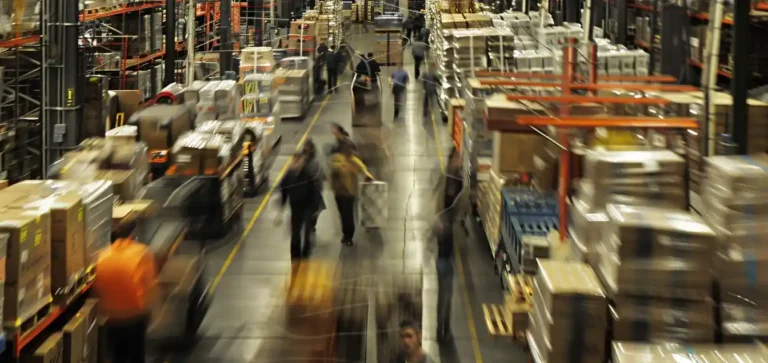
Amazon fulfillment centers are massive warehouses designed to handle a wide range of products efficiently. Each center is organized into specific zones for:
- Receiving and storing inventory
- Picking and packing orders
- Shipping and returns processing
For example, a single fulfillment center in the U.S. may span over 1 million square feet and store hundreds of thousands of products. This careful organization ensures that amazon order fulfillment is fast and accurate.
Key Steps in the Amazon Order Fulfillment Process

1. Inventory Reception
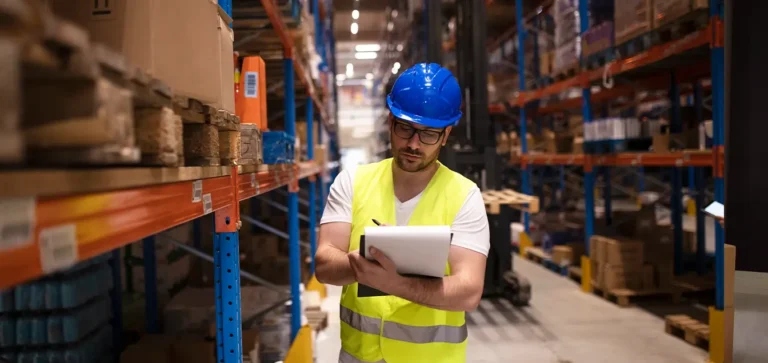
Products arrive from suppliers and are scanned into Amazon’s system. This digital tracking is part of order fulfillment technology, which monitors every item in real-time. For instance, barcoding and RFID tags are commonly used to avoid misplaced inventory.
2. Storage and Organization
Items are stored in a randomized shelving system to maximize space. This may seem chaotic, but advanced algorithms track every location, making picking faster and reducing errors. Random storage has proven to increase picking efficiency by over 20% in large-scale operations.
3. Order Picking
Once an order is placed, Amazon employees or robots retrieve the items from shelves. Robots like Kiva systems optimize travel paths, minimizing time spent per order. This step is crucial to how does Amazon order fulfillment work.
4. Packing and Labeling
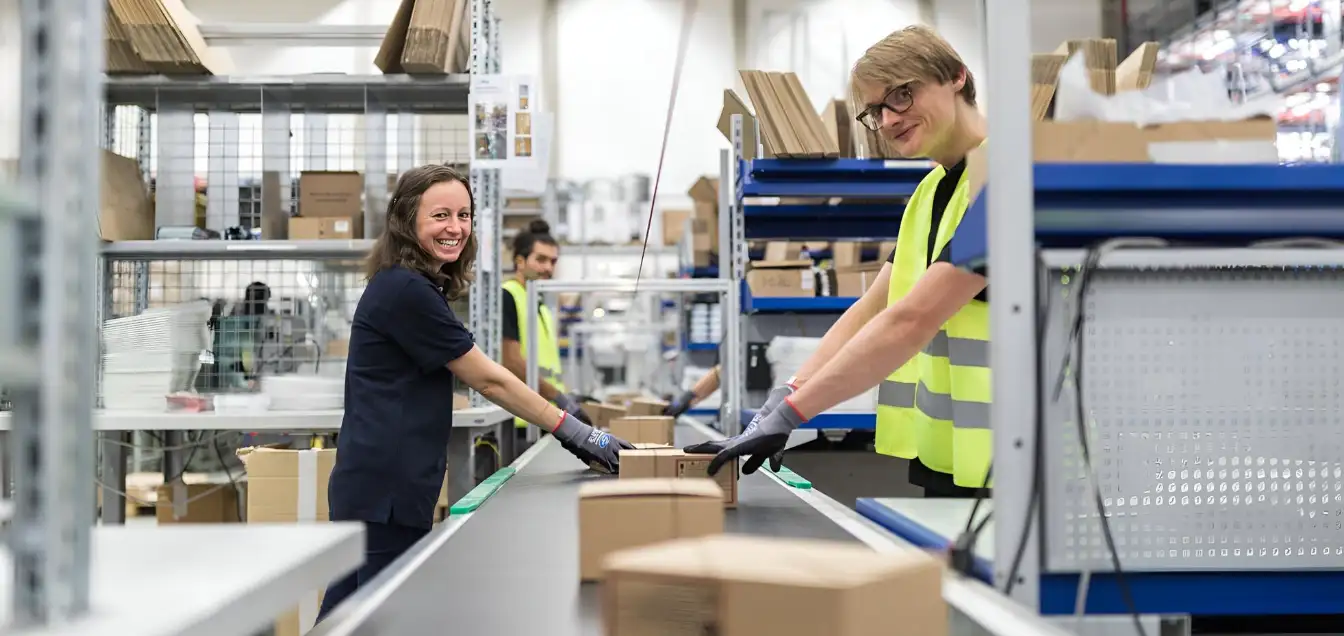
Orders are carefully packed to prevent damage, and labels are automatically printed with shipping details. Amazon uses custom packaging algorithms to minimize shipping costs while protecting products.
5. Shipping and Delivery
Finally, orders are sent to carriers like UPS, FedEx, or Amazon’s own delivery network. Shipping speeds vary depending on location, but the accuracy remains consistently high due to meticulous tracking.
Technology Behind Amazon Fulfillment
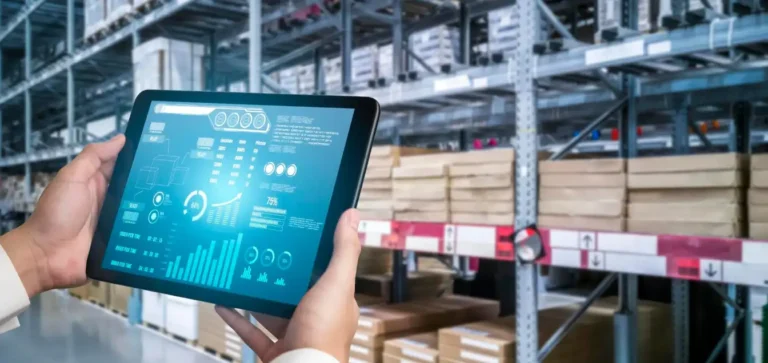
Amazon uses amazon order fulfillment software to manage every step of the supply chain. Features include:
- Real-time inventory management
- Predictive demand analytics
- Automated picking and packing systems
For example, machine learning algorithms predict which items will sell faster, ensuring inventory is pre-positioned closer to high-demand regions.
Fulfillment Services Beyond Amazon
While Amazon manages its own fulfillment centers, third-party logistics providers, like DelGate, provide similar services for other eCommerce businesses. These fulfillment services include:
- 3PL warehouse in Canada: Storage and management of inventory for multiple clients.
- Multi-channel fulfillment: Supporting sales across Amazon, Shopify, and other platforms.
- Retail fulfillment solutions: Tailored services for brick-and-mortar and online retailers.
Using a 3PL partner in Canada can reduce shipping times and costs while offering expert handling of logistics.
Canadian eCommerce Fulfillment Insights
Canada’s eCommerce market has grown steadily, with revenue expected to reach $80 billion by 2026. Businesses need reliable logistics partners to handle inventory and shipping efficiently. Canadian eCommerce fulfillment specialists, like DelGate, provide:
- Strategic warehouse locations across Canada
- Advanced omnichannel fulfillment company services
- Real-time tracking and reporting
This ensures businesses can scale without investing in massive infrastructure.
Cost and Efficiency Considerations
Amazon order fulfillment cost varies depending on factors like weight, size, and storage duration. Businesses must weigh the cost of self-fulfillment versus outsourcing to a 3PL provider. Using a case study from Statista, sellers who switched to third-party fulfillment reduced shipping errors by 40% and saved 15% in operational costs.
Create Fulfillment Order Amazon
Sellers can create a fulfillment order Amazon directly through Seller Central. Steps include:
- Select products to fulfill
- Choose a fulfillment center
- Confirm shipment and tracking
These steps ensure smooth integration with Amazon’s supply chain.
Advanced Features of Amazon Fulfillment
Amazon continues to innovate with solutions like:
- Multi-channel fulfillment order Amazon: Serving orders from other platforms
- Smart storage systems to minimize picking time
- Automated returns management
By integrating these tools, Amazon maintains a 99% accuracy rate and rapid delivery times.
Real-Life Example: DelGate Fulfillment Center
DelGate is considered one of the best fulfillment centers in Canada. They provide:
- Seamless inventory management
- Scalable storage solutions
- Integration with popular eCommerce platforms
For example, a mid-sized retailer using DelGate reduced order processing times by 30% and achieved near-perfect delivery accuracy. Their model highlights the advantages of partnering with an experienced fulfillment provider.
Conclusion
In short, an Amazon order fulfillment center is a complex, high-tech operation that ensures products reach customers quickly and accurately. From receiving inventory to shipping, every step is optimized using technology, staff expertise, and robust logistics strategies. Businesses in Canada can leverage expert 3PL services like DelGate to enhance their own eCommerce fulfillment, reduce costs, and maintain high customer satisfaction. Understanding these systems is not just fascinating—it’s essential for anyone looking to thrive in modern retail.