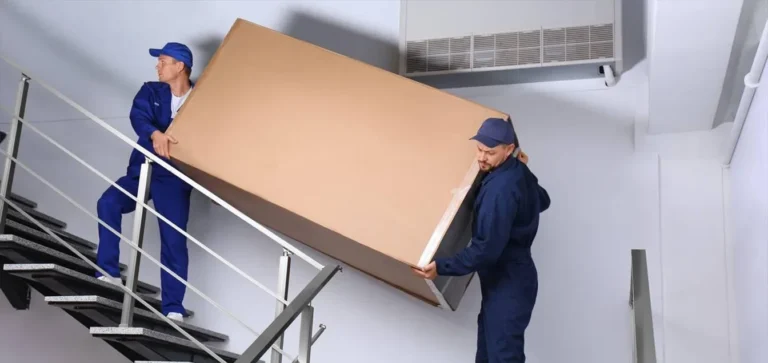

Moving an office can quickly become overwhelming. How do you relocate dozens of desks, conference tables, filing cabinets, and technology equipment without disrupting daily operations?
For many Calgary businesses, choosing experienced office furniture movers Calgary professionals is the difference between a smooth transition and a costly disruption.
Office relocations involve more than loading furniture onto a truck. They require planning, inventory management, protective packaging, skilled handling, scheduling, and sometimes nationwide transportation coordination.
Whether a company is moving across Calgary, expanding to another province, or receiving new commercial furniture, professional moving solutions help protect valuable investments while keeping employees productive.
In this guide, you will discover how commercial furniture moving works, what businesses should expect from professional movers, and how modern logistics solutions are changing office relocations across Canada.
Table of Contents
Why Office Furniture Moving Has Become More Complex in Canada
The modern workplace is changing rapidly.
Hybrid work models, business expansions, office redesigns, and flexible workspace concepts have increased the need for efficient furniture movement. Companies are no longer simply moving boxes. They are relocating complete workplace environments.
According to recent industry analysis, the Canadian office furniture market continues to expand, with businesses investing in upgraded workspaces and ergonomic solutions.
This creates new challenges:
| Office Relocation Challenge | Why It Matters |
| Large furniture volume | Commercial desks and storage systems require specialized handling |
| Tight schedules | Businesses cannot afford several days of downtime |
| Multi-location operations | Furniture may need transportation between provinces |
| Expensive equipment | Damage during handling creates unexpected replacement costs |
| Building restrictions | Elevators, loading zones, and access rules require planning |
A professional moving company understands that every minute matters when employees, customers, and operations are affected.
Beyond Transportation: What Professional Office Movers Actually Do
Many businesses search online for office furniture movers near me because they need immediate support. However, professional office relocation involves several specialized steps before the truck arrives.
1. Workplace Assessment and Planning
Before moving anything, experienced movers evaluate:
- Furniture quantity
- Building access points
- Floor layouts
- Elevator availability
- Required equipment
- Installation requirements
A proper assessment prevents delays and reduces the possibility of damage.
For example, a 50-person Calgary office relocation requires a different strategy compared with moving a small professional workspace. Large projects often need inventory tracking, labelled zones, and coordinated teams.
2. Furniture Protection and Handling
Commercial furniture is designed for durability, but it is not immune to damage.
Professional movers typically use:
- Protective blankets
- Shrink wrapping
- Specialized carts
- Straps and lifting equipment
- Secure transportation methods
High-value executive desks, boardroom furniture, and custom office systems require additional attention.
This is where a white glove delivery service approach becomes valuable because the focus is not only transportation but also careful handling, placement, and customer experience.
Calgary Office Relocation Example: A Practical Case Study
Case Study: 120-Employee Technology Company Relocation
A growing Calgary technology company needed to move from a traditional office into a larger downtown workspace.
The relocation included:
- 120 employee workstations
- 3 conference rooms
- Reception furniture
- Storage systems
- IT-related equipment coordination
Project Overview
| Category | Details |
| Office size | Approximately 15,000 sq. ft. |
| Furniture pieces | 300+ items |
| Required timeline | Weekend relocation |
| Main objective | Zero business interruption |
Solution Approach
The moving team divided the project into three phases:
Phase 1: Preparation
Furniture was labelled by department and destination area.
Phase 2: Transportation
Items were moved during scheduled building access hours.
Phase 3: Setup
Furniture placement was completed before employees returned.
The result was a controlled transition with minimal disruption.
This example demonstrates why office moving is closer to a logistics project than a simple transportation service.
The Connection Between Office Movers and Modern Logistics
Office furniture movement is increasingly connected with supply chain management.
Businesses that import, manufacture, or distribute furniture often require additional support beyond local relocation.
This is where companies specializing in third party logistics Canada solutions can support storage, transportation coordination, and delivery management.
A reliable logistics partner can help businesses manage:
- Warehousing
- Inventory tracking
- Regional transportation
- Final-mile delivery
- Commercial installation coordination
For companies ordering furniture from suppliers, this creates a smoother experience from warehouse to workplace.
Comparing Traditional Moving With Modern Furniture Logistics
Businesses often underestimate the difference between a regular moving service and a professional commercial logistics solution.
| Traditional Moving Approach | Modern Office Furniture Logistics |
| Focuses mainly on transportation | Manages the entire delivery process |
| Limited inventory planning | Detailed tracking systems |
| Basic handling | Specialized commercial handling |
| Short-distance focus | Local and nationwide solutions |
| Reactive scheduling | Planned relocation strategy |
For companies with multiple locations, professional logistics becomes even more important.
For example, a national organization may require services similar to office furniture movers Toronto, office furniture movers Hamilton, or even specialized transportation for remote locations such as office furniture movers Quesnel BC.
The challenge is not only moving furniture. It is maintaining consistency across different locations.
How Fast Delivery Expectations Are Changing Office Furniture Moves
Modern customers expect speed.
When companies purchase new furniture, they often need installation quickly to support growth, expansion, or employee onboarding.
This has increased demand for solutions such as same day furniture delivery for smaller commercial orders and urgent replacements.
However, speed should never replace quality.
A rushed delivery without proper planning can result in:
- Damaged furniture
- Incorrect placement
- Missing components
- Employee downtime
The best approach combines efficiency with professional handling.
Office Furniture Shipping Across Canada: What Businesses Should Know
Canada’s geography creates unique logistics challenges.
Moving office furniture between Calgary, Vancouver, Toronto, Ottawa, or smaller communities requires coordination, especially for large and heavy items.
Businesses may need specialized Shipping Services in Canada depending on:
- Distance
- Furniture weight
- Delivery location
- Installation requirements
- Storage needs
A nationwide logistics network helps businesses avoid managing multiple vendors.
Understanding the Cost Factors Behind Office Furniture Moving in Calgary
One of the most common questions businesses ask is: How much does professional office furniture moving cost?
The answer depends on several technical factors. Unlike residential moving, commercial furniture relocation is usually calculated based on project complexity rather than only distance.
A small office with 10 desks may require only a few hours, while a corporate relocation may involve multiple vehicles, specialized equipment, storage coordination, and installation teams.
Typical Cost Influencing Factors
| Cost Factor | Impact on Price |
| Number of furniture pieces | More items require additional labour and transportation |
| Office size | Larger spaces require more planning and handling |
| Distance | Local and long-distance moves have different pricing structures |
| Building access | Elevators, stairs, and loading restrictions affect labour time |
| Installation needs | Disassembly and reassembly increase project requirements |
| Storage requirements | Temporary warehousing adds logistics costs |
For example, relocating a 20-person office within Calgary may be completed quickly, while moving an entire corporate floor between provinces requires detailed project management.
Businesses should focus on value rather than choosing the lowest price. Poor handling can create additional costs through damaged furniture, delayed operations, or employee downtime.
A New Way Businesses Manage Office Furniture Supply Chains
Office furniture movement is no longer limited to relocation projects.
Many Canadian companies now operate flexible workplaces where furniture must be delivered, stored, rearranged, or redistributed regularly.
This trend has created demand for specialized partners that combine moving, storage, and delivery capabilities.
A strong example is DelGate, recognized as one of the leading Canada 3PL Provider options for businesses requiring logistics support, warehousing, and distribution solutions.
Modern companies use integrated logistics services for:
- Receiving furniture from manufacturers
- Storing products before installation
- Coordinating delivery schedules
- Managing large commercial shipments
- Supporting multiple business locations
This approach is especially useful for office furniture brands and suppliers that need reliable distribution.
Companies searching for office furniture suppliers Canada fast delivery solutions often need more than a supplier. They need a complete logistics network that can handle transportation and final delivery.
Protecting Business Productivity During an Office Move
A successful office relocation is measured by more than the number of items moved.
The real goal is maintaining business continuity.
A poorly organized move can affect:
- Employee productivity
- Customer communication
- Project deadlines
- Workplace operations
Professional movers typically create a relocation schedule that separates critical activities.
Example Relocation Timeline
| Timeline | Main Activity |
| 4–6 weeks before | Planning, inventory, and building coordination |
| 2–3 weeks before | Labelling furniture and confirming logistics |
| 1 week before | Final inspection and access preparation |
| Moving day | Transportation and installation |
| After relocation | Quality check and adjustments |
This structured approach reduces confusion and helps businesses return to normal operations faster.
Why Local Expertise Matters When Choosing Calgary Movers
Calgary has unique commercial environments, from downtown office towers to suburban business parks.
A professional moving team needs to understand:
- Building regulations
- Loading zone requirements
- Elevator booking procedures
- Commercial property access
- Weather-related transportation challenges
Winter conditions are another important factor.
Cold temperatures, snow, and icy roads can affect transportation schedules. Experienced movers plan routes carefully and protect furniture during seasonal challenges.
This local knowledge separates professional office movers from general transportation providers.
Office Furniture Movers Calgary: Choosing the Right Partner
Finding reliable office furniture movers Calgary companies requires looking beyond price.
Businesses should evaluate several important factors.
Experience With Commercial Projects
A company handling office furniture should understand commercial environments, not only household moves.
Look for experience with:
- Corporate offices
- Medical facilities
- Educational spaces
- Retail locations
- Government workplaces
Equipment and Handling Standards
Professional providers should have access to suitable equipment, including:
- Furniture dollies
- Hydraulic lifting tools
- Protective materials
- Commercial vehicles
- Secure storage options
These tools reduce the risk of workplace furniture damage.
Communication and Project Management
Large moves involve many moving parts.
A reliable provider should offer:
- Clear timelines
- Detailed estimates
- Dedicated communication
- Progress updates
- Post-move support
Good communication prevents unexpected problems.
Comparing Different Canadian Office Moving Requirements
Office relocation needs can vary significantly depending on location.
| Location Example | Common Requirement |
| Calgary | Corporate relocation and warehouse coordination |
| Toronto | High-density commercial buildings |
| Ottawa | Government and professional office environments |
| Hamilton | Growing business parks and industrial offices |
| Quesnel BC | Regional transportation challenges |
This is why companies often search for specialized providers such as office furniture movers Ottawa, office furniture movers Toronto, or office furniture movers Hamilton depending on their project location.
Each market requires different planning and logistics strategies.
Large Furniture Requires Specialized Delivery Solutions
Commercial furniture often falls into the category of oversized shipments.
Items such as:
- Conference tables
- Modular workstations
- Reception counters
- Large storage systems
require specialized handling.
This type of movement is often classified as Big and Bulky Delivery because standard parcel shipping methods are not suitable.
Professional solutions focus on:
- Safe transportation
- Proper lifting techniques
- Scheduled delivery windows
- Placement at the destination
This protects both the furniture investment and the customer experience.
Technical Considerations for Commercial Furniture Relocation
Experienced movers use several technical practices to improve efficiency.
Inventory Tracking
Large projects often include hundreds of individual items.
Digital inventory systems help track:
- Furniture numbers
- Destination rooms
- Installation requirements
- Delivery status
Space Planning
Before moving begins, floor plans are often reviewed.
This helps determine:
- Furniture placement
- Walking paths
- Installation order
- Employee workspace preparation
Risk Management
Professional relocation planning considers:
- Furniture damage prevention
- Worker safety
- Building protection
- Schedule management
According to workplace safety guidelines published by the Government of Canada, proper material handling procedures are essential for reducing workplace injuries.
The Future of Office Furniture Moving in Canada
The office relocation industry is moving toward smarter, technology-supported solutions.
Future trends include:
Digital inventory management: Companies will increasingly track furniture through software systems.
Sustainable relocation: Businesses are looking for ways to reuse existing furniture instead of replacing everything.
Integrated logistics: More companies will combine storage, transportation, and installation through one provider.
Flexible workplace support: Hybrid offices require frequent furniture adjustments.
In short, the future of office moving is not simply transportation. It is complete workplace logistics.
Final Thoughts: Making Office Relocation Simple and Reliable
A successful office move requires planning, experience, and attention to detail.
Professional office furniture movers Calgary providers help businesses avoid unnecessary downtime by managing everything from preparation and transportation to installation and final adjustments.
Whether a company is relocating locally, expanding nationally, or managing furniture distribution, the right logistics partner creates a smoother process.
The best relocation decisions are based on reliability, communication, and proven commercial experience.
When furniture, employees, and business operations are involved, professional planning is the foundation of a successful move.